

Forklift Attachments: Types, Uses, Prices and Safety Rules
Last updated: November 2026
A forklift attachment changes what a lift truck can handle. With the right attachment, one forklift can clamp cartons or paper rolls, rotate bins, push and pull slip-sheet loads, carry long loads or shift pallets side to side without repositioning the truck.
This guide covers the main types of forklift attachments, how to choose one, how attachments affect capacity, the OSHA rules that apply, maintenance and used attachment prices on FleetNow.
In this guide:
Types of Forklift Attachments
| Attachment | What it does | Common uses |
|---|---|---|
| Sideshifter | Moves the forks left and right without moving the truck | Lining up pallets in racks and trailers |
| Fork positioner | Moves the forks closer together or farther apart hydraulically | Mixed pallet sizes; often combined with a sideshifter |
| Carton clamp | Squeezes boxed loads between two large pads, no pallet needed | Appliances, electronics and beverage cases |
| Paper roll clamp | Curved arms grip and often rotate round rolls | Paper mills, printing and converting plants |
| Bale clamp | Flat arms grip compressed bales | Recycling, cotton, textiles and scrap |
| Rotator | Turns the forks or clamp to tip or invert a load | Dumping bins and turning loads |
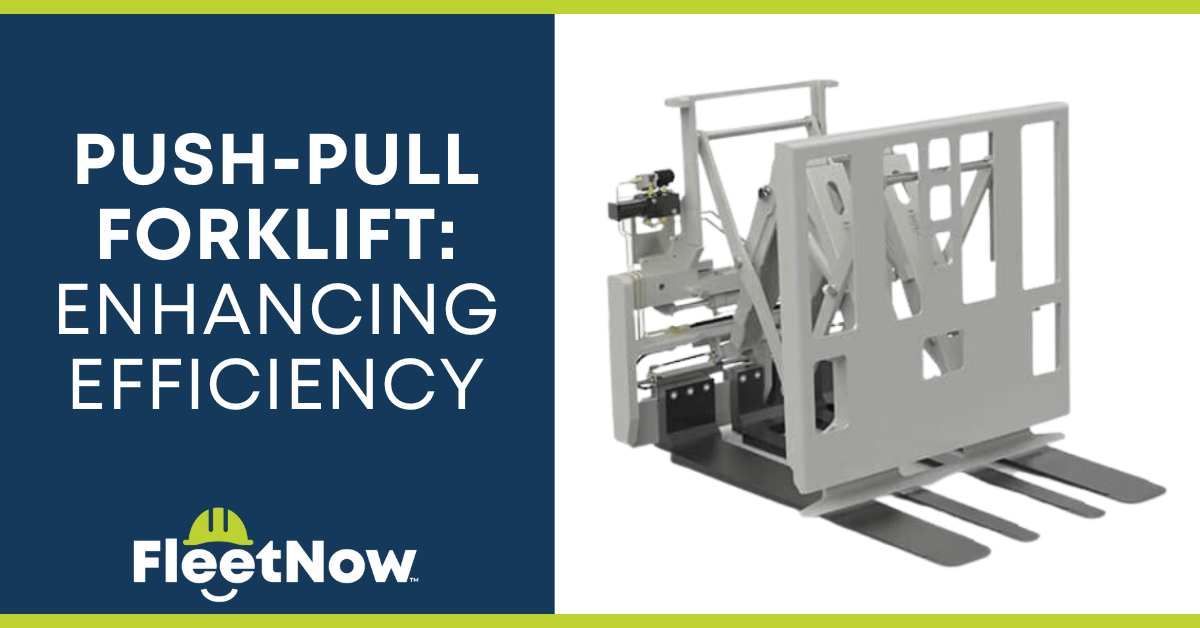
| Push-pull | Grips a slip sheet and pulls the load onto a platen, then pushes it off | Slip-sheet loads; see push-pull forklifts |
| Fork extensions | Slide over the forks to carry longer or deeper loads | Occasional long loads; see forklift extensions |
| Replacement forks | Longer, thinner or special-purpose forks | Worn forks or special loads; see forklift forks |
| Double pallet handler | Two sets of forks carry two pallets side by side | High-volume loading docks |
| Drum handler | Grips one or more drums by the rim | Chemical, oil and food plants |
| Carpet pole or ram | A long pole that slides into rolled or coiled loads | Carpet, wire and coil handling |
| Jib or hook attachment | Adds a lifting hook to the forks | Machinery and other non-palletized items |
How to Choose a Forklift Attachment
- The load: start with what you move most often, its size, weight, packaging and whether it sits on pallets, slip sheets or nothing at all.
- Carriage class and mounting: most attachments hang on the forklift carriage, which comes in standard classes based on truck capacity. The attachment has to match your carriage class and width.
- Hydraulic functions: each hydraulic motion, such as sideshift, clamp or rotate, needs its own auxiliary hydraulic circuit or a multiplexing kit. Check how many functions your forklift has before you buy.
- Capacity after the attachment: ask the forklift dealer or manufacturer for the net capacity with the attachment installed, at the lift height you need.
- Visibility and size: large clamps and push-pulls can block the operator’s view and add length to the truck, which matters in tight aisles.
- New or used: used attachments from reputable brands can save a lot, but check wear on pads, arms, cylinders and hoses, and make sure manuals and capacity plates come with them.
Attachments and Forklift Capacity
Every attachment reduces the forklift’s usable capacity. The attachment adds weight at the front of the truck and usually moves the load center farther forward, so the truck can safely lift less than the capacity on its original data plate.
When a forklift is fitted with an attachment that did not come from the factory, OSHA requires the user to ask for the truck to be marked to identify the attachment and show the approximate weight of the truck and attachment combination at maximum elevation with the load centered. In practice, that means getting an updated data plate, with the new capacity, from the forklift dealer or manufacturer.
OSHA Rules for Forklift Attachments
- Manufacturer approval: modifications and additions that affect capacity or safe operation need the forklift manufacturer’s prior written approval, and capacity, operation and maintenance plates, tags or decals must be changed to match (29 CFR 1910.178(a)(4)).
- Marking: trucks with front-end attachments that were not installed at the factory must be marked to identify the attachment (1910.178(a)(5)).
- Training: operator training must cover fork and attachment adaptation, operation and use limitations, and operators need refresher training when assigned to a different type of truck.
- Rated capacity: never exceed the capacity of the forklift and attachment combination shown on the data plate.
Rules can be stricter by state and employer. Our forklift training guide and forklift FAQs cover the general OSHA requirements.
Inspection and Maintenance
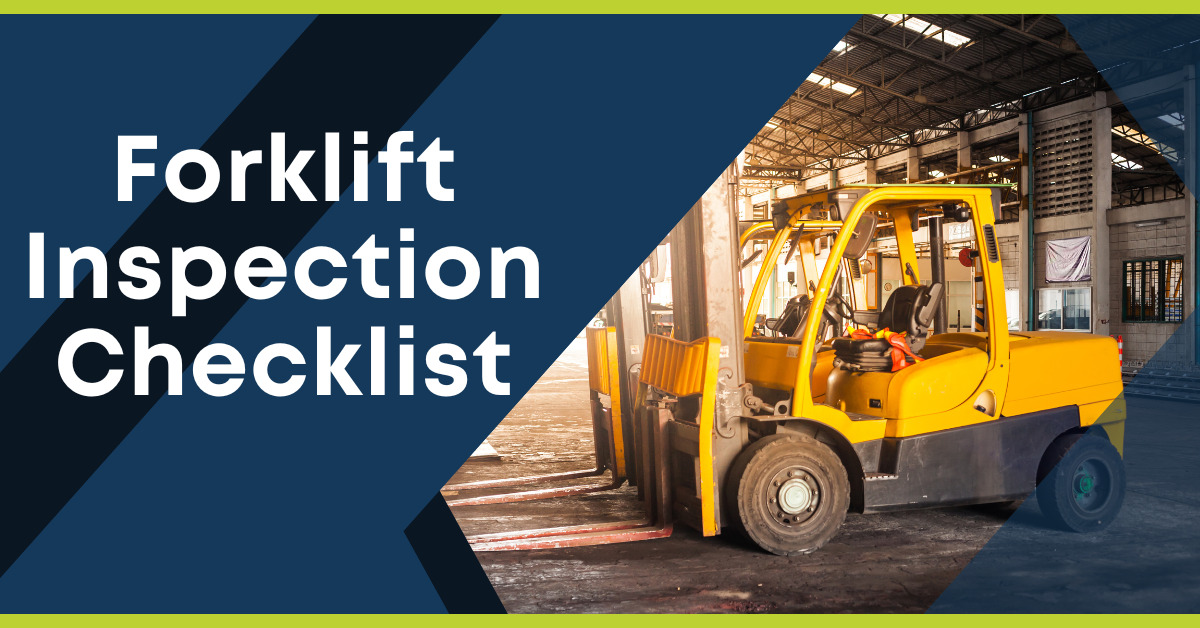
- Check attachments as part of the daily forklift inspection: mounting hooks and bolts, arms, pads and forks, and any cracks or bent parts.
- Look for hydraulic leaks at cylinders, hoses and fittings, and replace worn or chafed hoses.
- Test every attachment function before use and make sure it holds pressure, especially clamps, which must not slip under load.
- Grease pivot points and slides as the manufacturer recommends.
- Keep the attachment manual and capacity information with the truck, and record inspections. The FleetNow Inspect app lets you log inspections with photos.
Forklift Attachment Prices
FleetNow had 119 forklift attachments listed in November 2026, mostly clamps, push-pulls, fork positioners and sideshifters. Of the 89 with an asking price:
| Measure | Asking price |
|---|---|
| Lowest | $3,650 |
| Middle half of listings | $6,950 to $9,950 |
| Median | $7,950 |
| Highest | $16,950 |
Brands listed included Cascade (90 listings), Rightline (15), Bolzoni (5), Long Reach (4) and Loron (4). The rest were listed as call for price. Price depends on the type, size, capacity class and condition. See our guide to forklift attachment manufacturers for more on these brands.
Shop Forklift Attachments With FleetNow
Browse used forklift attachments and all attachments on FleetNow. Need a truck to go with it? Shop forklifts, including pneumatic tire and cushion tire models, or telehandlers for jobsite work.
Have a question about an attachment? Contact the FleetNow team or call 1-216-973-5124. Selling attachments or forklifts? List your equipment on FleetNow.